Why Regular Cleaning Matters
In Malaysia's tropical climate, swimming pool maintenance is not a luxury -- it is a necessity. With average temperatures hovering between 27 and 33 degrees Celsius year-round and humidity levels frequently exceeding 80%, pools in Malaysia face a relentless assault from algae, bacteria, and organic debris.
Neglecting regular cleaning can lead to a cascade of problems. Algae blooms can turn crystal-clear water green in as little as 48 hours during the monsoon season. Bacterial growth poses genuine health risks, including skin infections, ear infections, and gastrointestinal illnesses for swimmers. Beyond health concerns, poor maintenance accelerates equipment degradation -- corroded pumps, clogged filters, and stained pool surfaces all result in costly repairs down the line.
"A pool that is cleaned regularly costs 40% less to maintain over its lifetime compared to one that receives only sporadic attention." -- Malaysian Pool Industry Association
Recommended Cleaning Frequency
Based on over a decade of servicing pools across Kuala Lumpur, Selangor, and Johor, we recommend the following cleaning schedule for Malaysian pool owners:
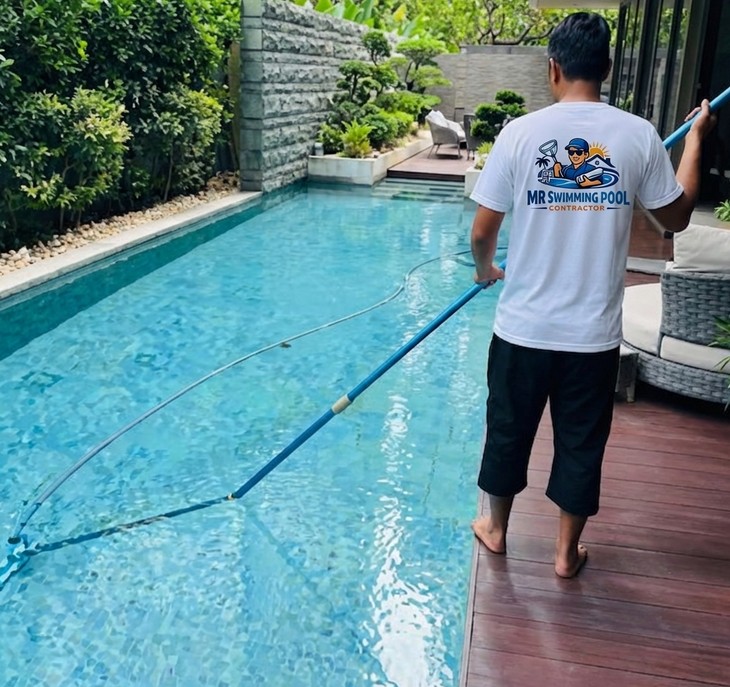
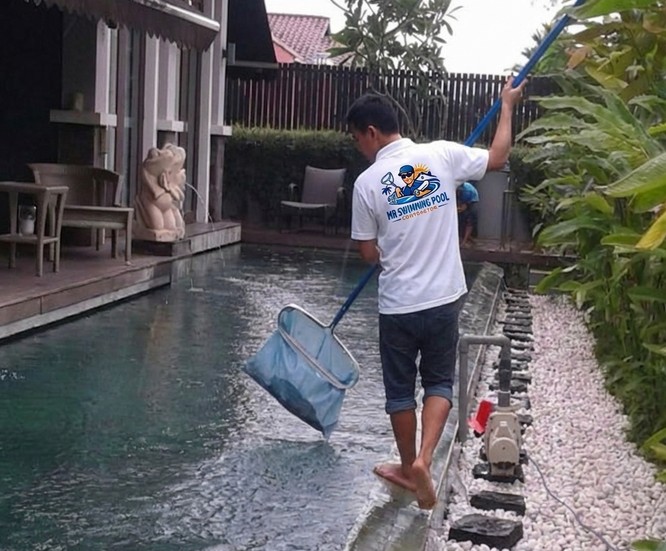
- Daily: Run the filtration system for 8-12 hours. Skim the surface for leaves, insects, and debris -- especially important if your pool is surrounded by tropical landscaping.
- Twice Weekly: Test and adjust chemical levels (pH, chlorine, alkalinity). Malaysian heat causes chlorine to dissipate faster than in temperate climates.
- Weekly: Brush walls and tiles, vacuum the pool floor, clean skimmer baskets, and backwash the filter if pressure rises above 10 PSI over the clean reading.
- Monthly: Inspect equipment, check for early signs of algae, and deep-clean the waterline tiles.
- Quarterly: Professional inspection of pumps, heaters, and plumbing. Acid wash or shock treatment as needed.
Pools that are used frequently -- such as condominium or resort pools -- may require even more frequent professional servicing, often two to three times per week.
What Professional Cleaning Includes
Many pool owners wonder what a professional cleaning service actually covers that they cannot handle themselves. A thorough professional pool cleaning session from Mr Swimming Pool Contractor includes:
- Water chemistry analysis: Using laboratory-grade test kits to measure pH, free chlorine, combined chlorine, total alkalinity, calcium hardness, and cyanuric acid levels.
- Surface cleaning: Brushing walls, floors, steps, and behind ladders where algae commonly hides.
- Vacuuming: Manual or automatic vacuuming to remove settled debris and sediment.
- Filter maintenance: Backwashing sand filters, cleaning cartridge elements, or inspecting DE filter grids.
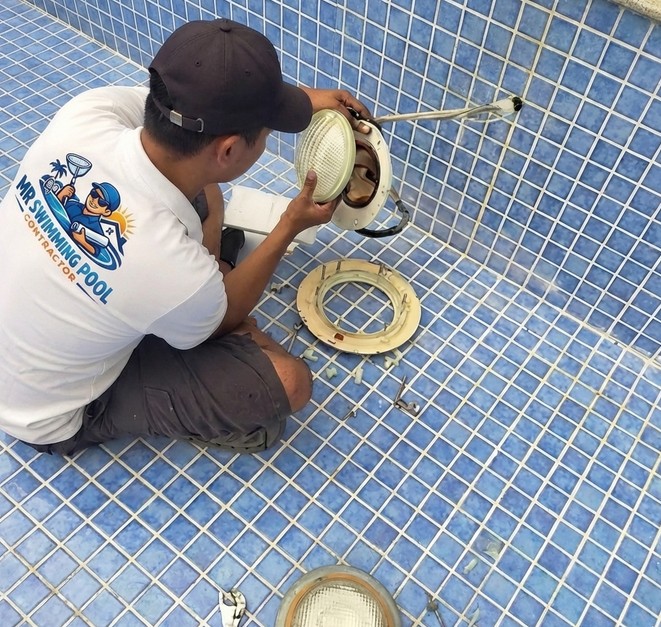
- Equipment check: Listening for unusual pump noises, checking flow rates, inspecting seals and gaskets.
- Chemical treatment: Precise dosing of sanitisers, algaecides, and pH adjusters based on test results.
DIY vs Professional Cleaning
There is a place for both DIY maintenance and professional servicing. Daily and weekly tasks such as skimming, basic chemical testing, and running the filter are well within a homeowner's ability. These routine tasks help keep your pool swimmable between professional visits.
However, certain tasks are best left to trained professionals:
- Accurate water chemistry balancing, especially when multiple parameters are off simultaneously
- Equipment diagnosis and repair -- a grinding pump or leaking seal requires professional expertise
- Algae treatment for severe blooms, which often requires specific shock protocols
- Tile restoration and waterline descaling using commercial-grade products
- Plumbing inspections to detect leaks before they cause structural damage
"The most cost-effective approach is combining daily DIY care with weekly or biweekly professional servicing. This keeps your pool safe while catching problems early."
Signs Your Pool Needs Cleaning Now
Even if you follow a regular maintenance schedule, certain warning signs indicate your pool needs immediate attention:
- Green or cloudy water: This is the most obvious sign of chemical imbalance or algae growth. Do not swim until the water is treated and cleared.
- Strong chlorine smell: Ironically, a strong chlorine odour indicates too many chloramines (combined chlorine), meaning the pool is under-sanitised, not over-sanitised.
- Slippery walls or floor: A slimy film on pool surfaces is the early stage of algae colonisation.
- Visible debris accumulation: Leaves and insects left in the pool break down, consume chlorine, and promote bacterial growth.
- Eye or skin irritation after swimming: This signals poor water chemistry, often a pH imbalance or high chloramine levels.
If you notice any of these signs, contact a professional pool cleaning service immediately. The longer you wait, the more expensive the remediation becomes.

Have Questions About Pool Cleaning?
Our pool experts are ready to help. WhatsApp us for free advice and a no-obligation quote.
WhatsApp Us Now